

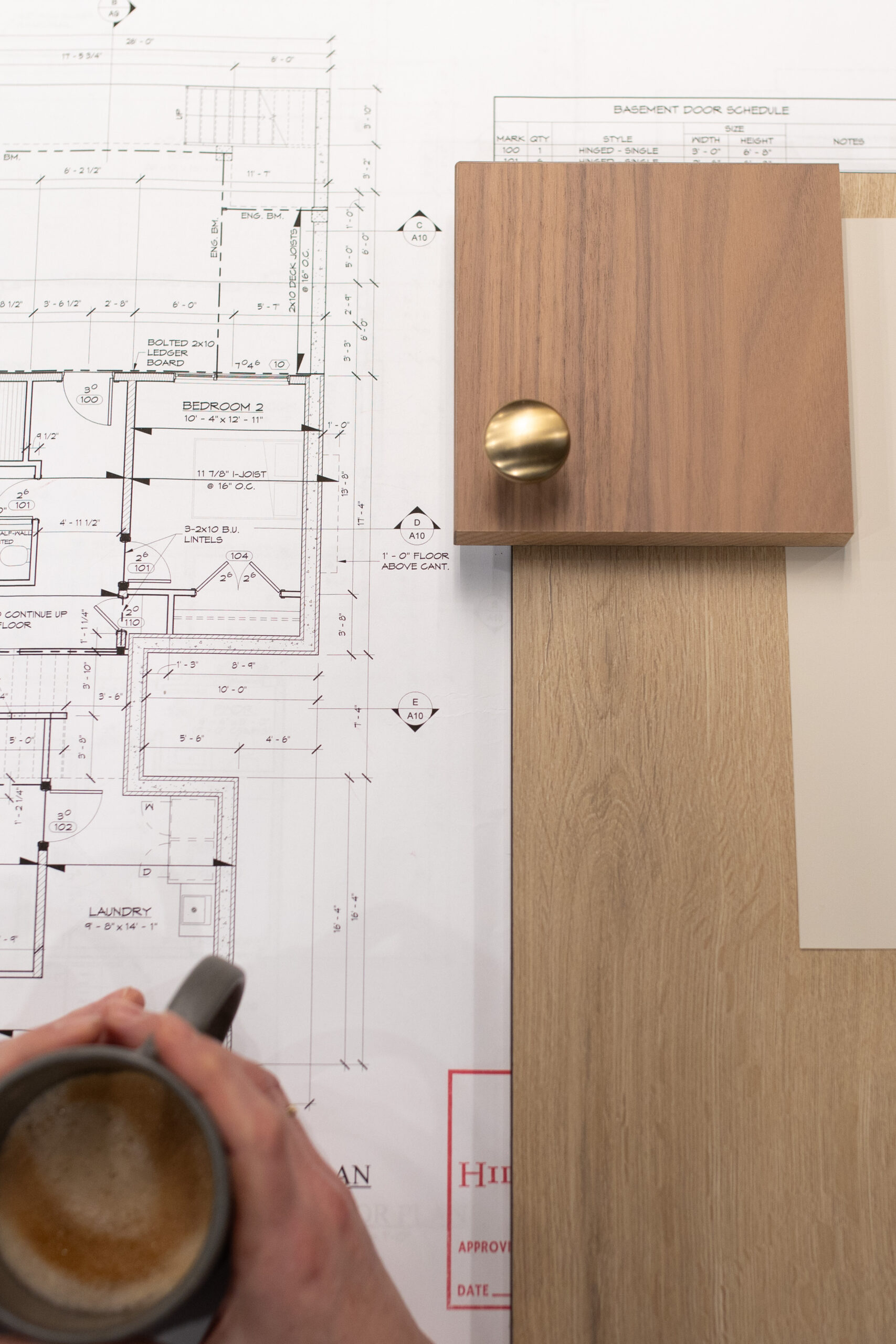
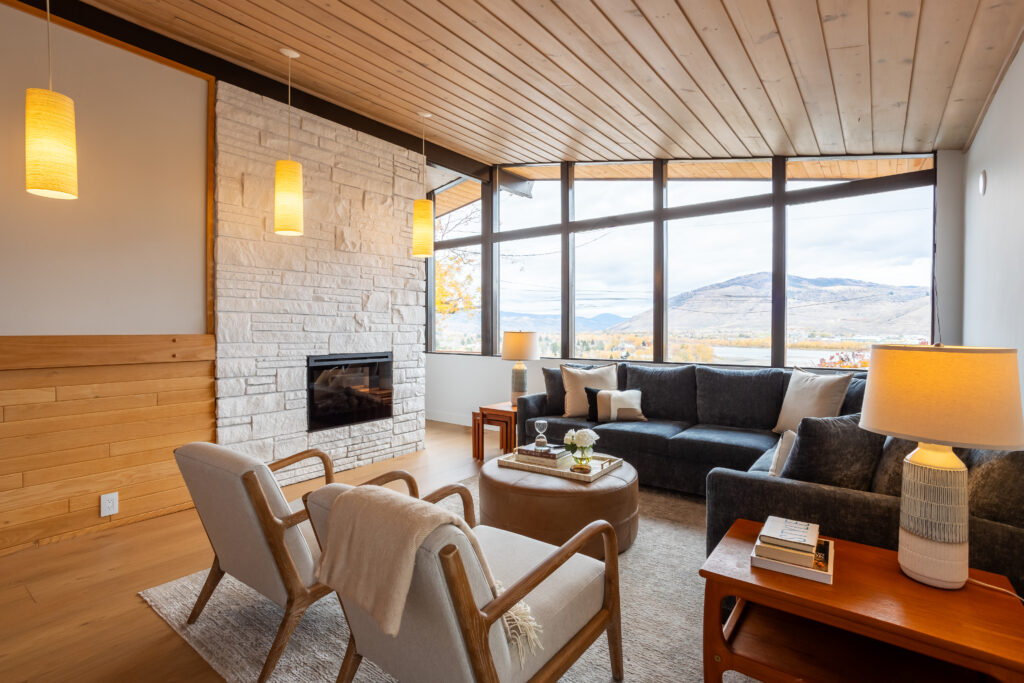
Two homes. Same size. Two different building costs?
Each of these homes total 3000 square feet a piece and both are beautifully designed.
One cost $900,000 to build. The other $1.4 million.
But how can this be?
Because in custom building, the size of the home is only part of the equation.
The rest lies in the hundreds of design, craftsmanship, and engineering decisions that are all made between the initial meeting and the hammering of the final nail.
So, while two homes may share the same size and may even appear to be the same style, it’s still highly plausible that they’ll differ in cost by thousands (if not tens – or even hundreds of thousands) of dollars.
Sure, the math is simple and easy to understand but unfortunately—it’s the wrong math.
So, where does this leave a person who’s looking to cost out their custom home project? How do you get the home you want within a budget you can be comfortable in?
At Malcolm Homes, we integrate your budget into the design at the start of the process.
Our construction, design, and estimating teams collaborate from the beginning so that your vision and budget can evolve together.
Essentially, we design your project to your budget—rather than addressing the budget after design.
This integrated process allows us to forecast costs early and offer design options before final drawings are completed. Which in turn, means that you won’t be handed a design for your custom home that’s 30% over your budget, as we’ve been designing based on your budget from the very start.
There are however, certain aspects of the design that will drive the cost of your build. Certain factors that have the most impact include:
- Architectural Complexity – Rooflines, window sizes and types, ceiling heights, and structural spans all influence cost. A simple box-style design will always cost less than a home with multiple roof pitches and vaulted ceilings.
- Site Conditions – Slopes, rock, and poor soil are going to be more difficult (and expensive) to build on than a flat, accessible lot. How your site is accessed for trades and equipment is also a cost factor.
- Materials and Finishes – Every choice in your finishes influences the total cost; from the size and quality of your windows and cabinetry to the type of flooring, and even your exterior siding. Every selection can quickly shift your cost all without adding or removing a single square foot.
- Energy Performance and Systems – How your home functions based on your insulation and mechanical systems choices can all influence your bottom line. Higher-efficiency systems may add to the build cost but can also reduce lifetime operating costs. Differences in which systems to implement may also differ depending on your lot location and resources.
- Level of Craftsmanship – Custom-detailing such as built-ins and finish carpentry can be the elements that transforms a design from standard to exceptional but that same level of precision undoubtedly comes with an added cost.
It’s important to bear in mind during the design phase that not every cost increase is a necessity. And, not every budget-conscious choice has to feel like a compromise.
On the flip side of this, there are also many elements that can make a large impact on your design without leaving one on your budget.
Some of the most impactful design moves are actually subtle ones:
- A well-thought-out lighting plan to enhance function and atmosphere
- Simple but high-quality natural materials like natural wood accents to bring warmth without excess cost
- Clean architectural lines that create a timeless appeal
- Strategic planning based on your location’s natural architectural elements such as views and natural light.
Each of these elements do not require overspending. They simply require a builder who understands the concept of integrated design and how budget and design work and evolve together.
So, instead of asking “what is the cost per square foot?” ask “what does it cost to build the home I actually want?”
Because the answer to that question takes all elements into consideration: site, design, finishes, and your personal priorities – instead of an average pulled from a spreadsheet.
And at Malcolm Homes, we believe that the best homes are built when your design, budget, and vision are aligned from the start to create homes built on clarity, integration, and intention.